
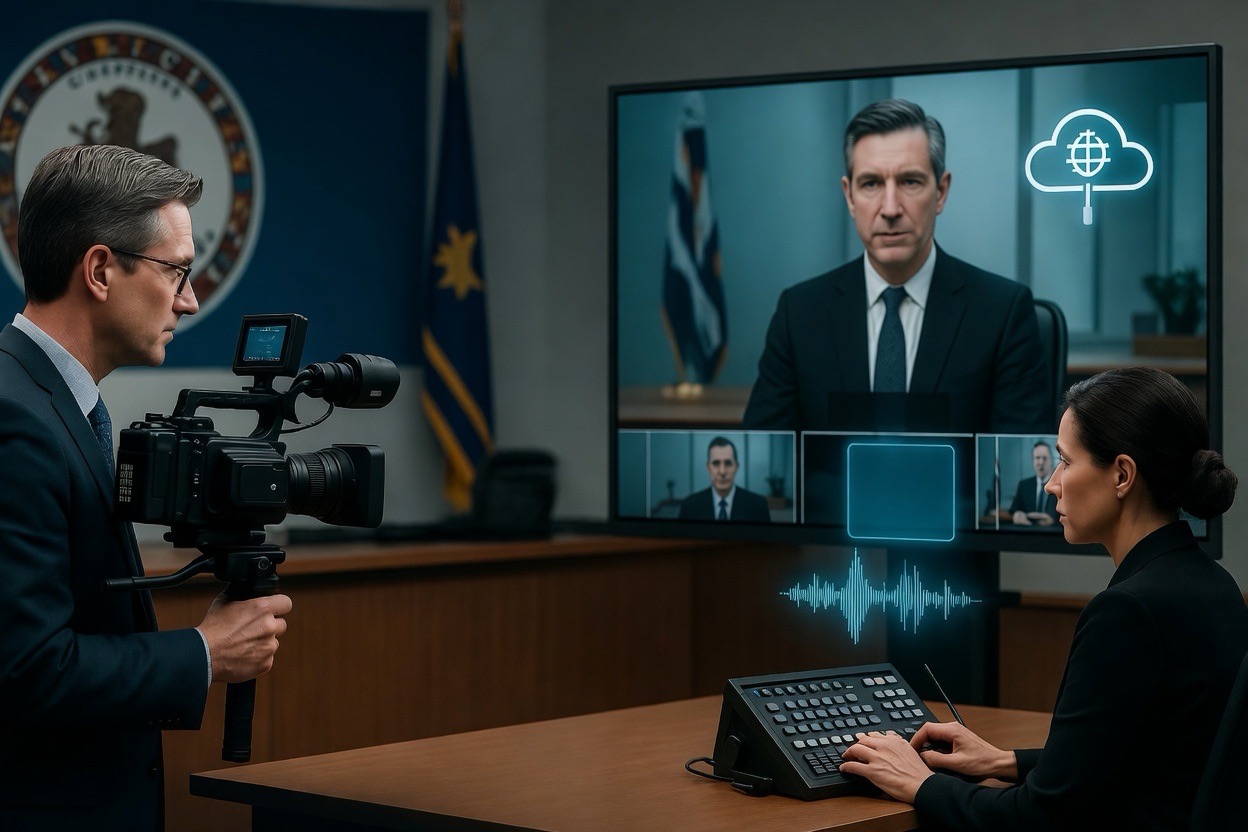
Comprehensive Court Reporting and Legal Support in Virginia
Rush hour often tightens along I-95 near Richmond while attorneys move between office suites, conference rooms, and courthouses across Fairfax County, Norfolk, and other active legal centers in Virginia. In these settings, legal work depends on more than speed alone. Every answer, objection, clarification, and instruction needs to appear clearly in the official record so legal teams can rely on that record during motion practice, settlement discussions, trial preparation, and appeals. That is where Virginia court reporting services become essential.
At CourtScribes, we support law firms, attorneys, and legal professionals with accurate documentation, organized records, and dependable reporting solutions that help cases move forward efficiently. Our work supports in-person proceedings, private depositions, and remote legal sessions where multiple participants may appear from different locations. This level of precision helps legal teams stay prepared, reduce confusion, and maintain confidence in the record from the beginning of a matter through the final stages of litigation.
How Court Reporting Works in Virginia’s Legal Environment
Legal proceedings across Virginia require a documentation process that captures testimony, objections, procedural discussions, and attorney questions as they happen. Virginia court reporting services must do more than simply record spoken words. At CourtScribes, we create organized legal records that attorneys can review during discovery, witness preparation, trial strategy, and post-hearing analysis.
A strong reporting system preserves exact language, timing, and context, which makes it a critical part of case preparation. Our process may include stenographic tools, digital audio capture, real-time transcription technology, and secure storage systems that help keep records accessible and protected.
Courtroom reporting services in Virginia also demand careful attention to formatting, speaker identification, and transcript structure so the final product meets professional expectations. At CourtScribes, we strengthen that process with clear multi-channel audio, live transcript generation, time-stamped entries, and secure retrieval options that support attorneys working in high-pressure legal environments.
Types of Services Included in Virginia Court Reporting
Legal work across Virginia rarely depends on a single solution. Attorneys, paralegals, and litigation teams rely on a coordinated system that supports every stage of a case, from initial testimony to final documentation. At CourtScribes, we deliver Virginia court reporting services through a structured combination of tools and processes that extend far beyond basic transcription. Each service plays a specific role, and together, they create a reliable workflow that improves accuracy, organization, and efficiency across complex legal matters.
Deposition Services in Virginia for Witness Testimony
At CourtScribes, we manage deposition services in Virginia with a focus on capturing every statement clearly and accurately. Our team supports attorneys by recording testimony, identifying speakers, and producing structured transcripts that reflect the full context of each session. This process helps legal teams review statements, prepare follow-up questions, and build stronger case strategies based on reliable and well-documented witness testimony.
Legal Transcription Services Virginia for Hearings and Trials
Through our legal transcription services in Virginia, CourtScribes converts recorded proceedings into organized, court-ready documents. We ensure each transcript follows proper formatting, includes accurate speaker identification, and reflects precise language used during hearings and trials. This level of detail allows attorneys to reference key moments quickly, support legal arguments, and maintain consistency across case documentation without confusion or missing information.
Remote Deposition Services Virginia for Virtual Participation
At CourtScribes, we provide remote deposition services in Virginia that allow legal professionals to conduct proceedings from different locations without disrupting workflow. Our systems support secure video access, real-time transcription, and smooth communication between participants. This setup helps attorneys manage schedules efficiently while maintaining the same level of accuracy and structure expected in traditional in-person depositions across Virginia.
Video Recording and Real-Time Reporting Integration
Our approach at CourtScribes combines video recording and real-time reporting to give legal teams a complete view of each proceeding. We capture both visual and verbal details, then synchronize transcripts with video for easier review. This integrated system allows attorneys to analyze testimony more effectively, identify key moments quickly, and maintain organized records that support stronger preparation and presentation in legal cases.
Full-Service Litigation Support for Law Firms
Law firms need more than transcript production to manage complex legal matters effectively. Cases often involve large volumes of documents, multiple exhibits, strict deadlines, and coordination across attorneys, witnesses, experts, and support staff. That is why reporting services work best when they are connected to broader litigation support systems.
At CourtScribes, we help legal teams stay organized through services that may include document organization, exhibit management, timeline tracking, secure file sharing, and case preparation support. These functions strengthen the overall workflow by making materials easier to locate, review, and present throughout the life of a case.
Strong organization helps attorneys move more confidently from discovery through hearing preparation and trial strategy. It also reduces the friction that can slow down legal teams when records, exhibits, or scheduling details become difficult to manage. When these support elements work together with professional court reporting, law firms gain a more complete system for handling demanding matters efficiently, accurately, and with greater control over the entire litigation process.
Why Accuracy Matters in Legal Reporting
Every word spoken during a deposition, hearing, or trial can influence how a case develops. One unclear answer, one missing objection, or one poorly captured exchange can create confusion that affects strategy, scheduling, and legal arguments later. That is why accuracy remains one of the most important parts of professional court reporting.
In Virginia, transcripts often support motion practice, witness review, settlement analysis, and appellate work, so the record needs to reflect exactly what happened. According to the National Court Reporters Association, verbatim accuracy remains central to professional reporting standards, which helps protect the integrity of legal documentation across different jurisdictions.
At CourtScribes, we understand that reliable reporting is not just about producing text on a page. We work to preserve context, timing, speaker identification, and procedural clarity so attorneys can use the record with confidence. When the reporting process is handled correctly from the start, legal teams reduce ambiguity, strengthen preparation, and maintain a dependable foundation for every stage of the case.
Remote Depositions and Virtual Legal Proceedings
Legal proceedings no longer depend entirely on everyone gathering in one physical room. Attorneys now prepare for depositions from law offices, home workspaces, and travel locations while witnesses, experts, and court reporters join from different places. This shift has made remote legal coordination far more practical, but it also requires reliable systems that protect accuracy and professionalism at every stage. At CourtScribes, we use remote deposition workflows that help legal teams maintain structure, security, and consistency without sacrificing the quality of the official record. The table below highlights the core features that make virtual legal proceedings effective and why they now play such an important role in Virginia litigation workflow.
| Remote proceeding feature | How it supports legal teams |
|---|---|
| Live video conferencing | Allows attorneys, witnesses, and other participants to join from different locations while maintaining face-to-face communication during the proceeding. |
| Real-time transcription display | Helps legal teams follow testimony as it happens, review statements immediately, and identify issues before the session moves forward. |
| Secure cloud storage | Keeps transcripts, recordings, and related materials protected while allowing authorized users to retrieve files efficiently when needed. |
| Digital exhibit sharing | Makes it easier to present, review, and mark documents during remote sessions without disrupting the flow of testimony. |
Common Challenges Attorneys Face Without Professional Reporting
Many legal teams do not fully recognize the complexity of documentation until problems start affecting case progress. A proceeding may seem straightforward in the moment, but weak reporting systems often create issues that become more serious later. Incomplete transcripts can leave attorneys uncertain about exact testimony.
Poor audio quality can cause disputes over what a witness actually said. Missing speaker identification can slow down transcript review, especially in multi-party proceedings. Delays in retrieving testimony can interrupt case preparation, and the lack of synchronization between video and text can make it harder to analyze key moments efficiently. These issues do not stay isolated.
They often affect timelines, strategy, client communication, and overall case organization. At CourtScribes, we help legal teams avoid those risks by providing structured reporting support that keeps records clear, accessible, and dependable. Strong documentation allows attorneys to stay focused on case development instead of spending time correcting preventable recordkeeping problems after the fact.

Cost Factors and Value Considerations
The cost of legal reporting can vary depending on the details of the proceeding, and understanding those factors helps law firms plan more effectively. Pricing often depends on the length of the session, how quickly attorneys need the final transcript, whether real-time reporting is required, how many participants are involved, and whether video integration or additional technical support is needed.
Complex case materials may also increase the level of preparation and coordination required before the proceeding even begins. Some firms try to lower initial costs by relying on basic recording tools or limited support, but that decision often creates more expense later.
Inaccurate transcripts, missing details, and delayed delivery can lead to extra review time, repeated work, and avoidable disruption during case preparation. At CourtScribes, we focus on delivering value through dependable reporting systems that support accuracy from the beginning. That approach helps legal teams avoid costly corrections, protect workflow, and maintain confidence in the final record.
The Role of Technology in Modern Court Reporting
Technology has changed how legal teams create, review, and retrieve records during modern proceedings. At CourtScribes, we use digital tools to strengthen accuracy, improve accessibility, and support a faster legal workflow without replacing the value of trained human expertise.
- Multi-channel audio recording captures separate speakers more clearly, reduces confusion during overlapping dialogue, and helps preserve an accurate record in depositions, hearings, and other legal proceedings where multiple voices must remain distinct.
- AI-assisted transcription review helps identify possible inconsistencies, speeds up transcript refinement, and supports quality control, while trained professionals still review content carefully to protect legal accuracy and preserve context.
- Cloud-based storage systems allow attorneys and legal staff to retrieve transcripts, exhibits, and recordings securely from different locations, improving convenience while maintaining controlled access to sensitive legal documentation.
- Searchable transcript databases help legal teams find names, objections, testimony, and key phrases quickly, which improves preparation time and makes large case files easier to manage during litigation.
- Video-text synchronization connects visual testimony with the written transcript, allowing attorneys to review spoken words alongside body language, tone, and timing for stronger case analysis and presentation.
How Local Knowledge Improves Reporting Quality
Legal reporting in Virginia requires more than technical ability and fast transcription. A strong reporting process also depends on understanding how local legal environments operate from one region to another. Court procedures, scheduling habits, courthouse expectations, and deposition logistics can vary across the state, and those differences affect how smoothly a proceeding unfolds.
At CourtScribes, we know that familiarity with Richmond court procedures, Northern Virginia deposition settings, and coastal legal environments such as Norfolk and Virginia Beach helps create a more efficient workflow for attorneys and staff. Local knowledge also improves communication because reporters who understand regional practices can coordinate more effectively with law firms, court personnel, and litigation teams.
This practical awareness reduces confusion, helps avoid unnecessary delays, and supports better preparation before a proceeding even begins. When legal professionals work with a reporting team that understands the pace and structure of Virginia proceedings, they gain more than a transcript. They gain a smoother process, clearer coordination, and more dependable support throughout the case.
Real-World Scenario: Deposition Workflow in Virginia
A Virginia deposition often involves much more coordination than people expect at first glance. Consider a proceeding scheduled in Fairfax County with attorneys appearing from different offices, a witness joining remotely, and exhibits needing secure digital sharing during testimony. Without a structured system, even a simple scheduling issue or technical problem can interrupt the session and create delays that affect case preparation.
At CourtScribes, we approach that kind of proceeding with a clear workflow that supports consistency from start to finish. Our process may include pre-session setup and testing, secure participant access, real-time transcription monitoring, video recording with backup protection, and organized post-session transcript delivery.
Each part of that workflow helps reduce risk while keeping the deposition clear and efficient for every participant. This structure allows attorneys to focus on testimony, strategy, and follow-up rather than troubleshooting avoidable problems. When the process is managed properly, every participant receives dependable documentation regardless of location, and the record remains consistent throughout the proceeding.
FAQs About Virginia Court Reporting Services
- What do Virginia court reporting services include?
Virginia court reporting services include transcription, deposition recording, video services, and litigation support that help document legal proceedings accurately and efficiently. - Are certified court reporters Virginia required for legal cases?
Certified court reporters Virginia help maintain accuracy and compliance with legal standards required in many formal proceedings and legal settings. - Can depositions be conducted remotely?
Yes, remote deposition services Virginia allow secure virtual participation with real-time transcription, video access, and organized documentation. - How accurate are legal transcripts?
Professional court reporters aim to produce near-verbatim transcripts by using advanced tools, clear audio capture, and careful review processes. - How long does it take to receive transcripts?
Turnaround times vary based on the length and complexity of the proceeding, but expedited delivery may be available within hours or a few days. - What is the difference between transcription and court reporting?
Court reporting captures the record in real time and follows legal formatting standards, while transcription usually converts recorded audio into written text after the event. - Are video recordings included in these services?
Yes, many courtroom reporting services Virginia include synchronized video recording and transcript solutions for easier case review. - How are transcripts stored?
Most providers store transcripts in secure cloud-based systems that allow convenient access, retrieval, and file management. - What affects the cost of reporting services?
Costs usually depend on the session length, case complexity, turnaround speed, and added services such as video recording or remote platform support. - Why should law firms use professional court reporting services?
Professional court reporting services help law firms maintain accuracy, efficiency, and dependable legal documentation throughout the litigation process.
Take Action With Reliable Legal Reporting Support
Legal cases demand accuracy, organization, and timely documentation at every stage. Choosing professional Virginia court reporting services ensures that every deposition, hearing, and proceeding receives the attention it requires. Structured workflows, certified professionals, and advanced technology combine to support legal teams working under pressure.
Law firms that prioritize reliable reporting gain a significant advantage in case preparation and presentation. From deposition services in Virginia to full litigation support, the right reporting system transforms how legal work gets done.
Contact and Scheduling Information
For reliable and professional reporting services:
Call Toll-Free: 833-SCRIBES
Email: scheduling@courtscribes.com
Email: billing@courtscribes.com
Schedule your next proceeding today and experience the difference that professional reporting can make.