
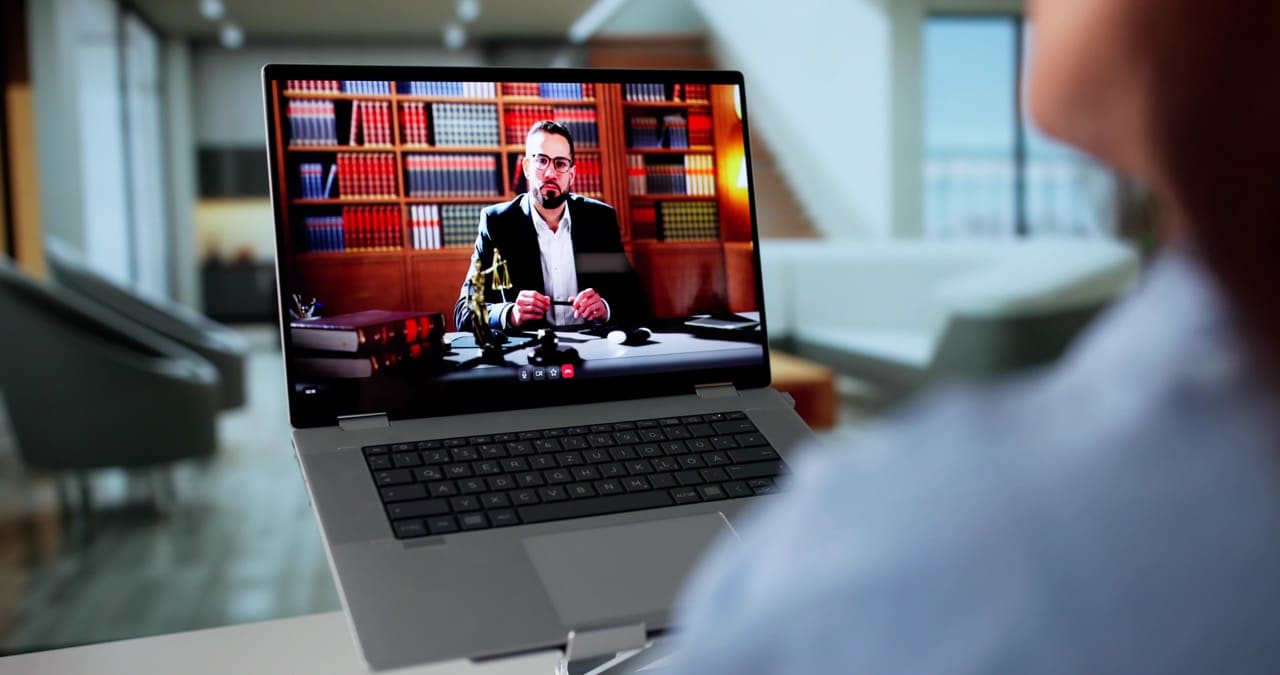
Remote Deposition Preparation Tips for Witnesses and Attorneys
Remote depositions have become a standard part of modern litigation. Courts now accept virtual testimony in many legal matters. However, online proceedings introduce new risks that can affect testimony quality. Technical issues, distractions, and unfamiliar settings can weaken a witness’s credibility if not handled properly. That is why remote deposition preparation is essential for attorneys and legal teams.
Witnesses must understand both the legal process and the virtual environment. Unlike in-person testimony, remote depositions place added responsibility on preparation, behavior, and technology setup. Attorneys who plan carefully reduce mistakes and protect the integrity of the record. CourtScribes supports remote deposition preparation through certified court reporters, legal videography, and secure documentation services. With the right guidance, witnesses can testify clearly, confidently, and professionally in virtual proceedings.
Why Remote Deposition Preparation Matters
Remote deposition preparation matters because virtual settings increase the risk of errors. An unprepared witness may struggle with technology, lose focus, or appear less credible on camera. These issues can affect how attorneys, judges, and juries interpret testimony. In online environments, every pause, reaction, and response becomes more noticeable.
Witness credibility remains critical, even when testimony happens remotely. Courts expect the same level of professionalism as in-person proceedings. Tone, clarity, and body language still influence how testimony is received. Without proper remote deposition preparation, witnesses may speak too quickly, interrupt others, or misunderstand questions.
Virtual testimony also removes the structure of a courtroom. Home offices and unfamiliar spaces create distractions. Attorneys must prepare witnesses to maintain focus and professionalism throughout the session. Digital court reporting captures every word and reaction. Careful preparation ensures the record reflects clear, accurate, and reliable testimony.
Explain the Remote Deposition Process to the Witness
Witness anxiety often comes from uncertainty. Attorneys should clearly explain the remote deposition process before testimony begins. Witnesses need to know who will attend, how questioning works, and how the session will proceed. This explanation builds confidence and reduces unnecessary stress.
A remote deposition typically includes attorneys, a certified court reporter, and sometimes a legal videographer. The court reporter creates the official transcript. The videographer records video testimony when required. The witness testifies under oath, just as they would in person. All testimony becomes part of the legal record.
Remote deposition preparation includes reviewing virtual deposition rules. Witnesses should understand when to speak, when to pause, and how objections work online. Explaining these steps helps witnesses remain calm and focused. Clear expectations allow witnesses to concentrate on providing accurate and thoughtful answers.
Prepare the Witness for Technology and Environment
Technology issues can damage testimony clarity and disrupt proceedings. Remote deposition preparation must include detailed technology planning. Even small problems can affect audio quality, video framing, and transcript accuracy. Attorneys should address these risks early.
Witnesses need a stable internet connection to avoid freezing or dropped audio. Camera positioning matters because facial expressions and posture affect credibility. Lighting should be clear and neutral. Poor lighting can hide facial cues or create distractions. Background noise also interferes with accurate transcription.
Audio quality is especially important. Microphones must capture speech clearly without echo or distortion. Headphones often improve sound quality and reduce feedback. Remote deposition preparation ensures technology supports, rather than undermines, professional testimony.
Technology Checklist for Witnesses
Before the deposition begins, witnesses should confirm their setup meets basic requirements. This checklist helps prevent avoidable disruptions during testimony.
-
Stable internet connection with strong signal
-
Quiet and private location free from interruptions
-
Laptop or desktop computer instead of a phone
-
Headphones with a built-in microphone for clear audio
-
Neutral background with proper lighting
This level of remote deposition preparation helps protect the accuracy of the record and supports smooth proceedings.
Coach the Witness on Remote Deposition Etiquette
Behavior matters more on camera than many witnesses realize. Remote deposition preparation should include clear guidance on virtual etiquette. Cameras capture facial expressions, posture, and reactions throughout testimony. Small behaviors can influence how testimony appears on the record.
Witnesses should speak slowly and clearly. Pauses are important because court reporters need time to capture every word accurately. Eye contact should remain steady, directed toward the camera when possible. Looking away frequently can appear evasive or distracted.
Posture also affects credibility. Witnesses should sit upright and remain still during questioning. Fidgeting or shifting can distract viewers. Attorneys should explain how pauses work in virtual settings. Waiting a moment before answering allows objections to be raised and ensures clean transcription. Strong remote deposition preparation helps witnesses present themselves clearly and professionally on camera.
Review Testimony Best Practices Before the Deposition
Witnesses benefit from reviewing testimony fundamentals before appearing remotely. Remote deposition preparation includes reinforcing habits that protect accuracy and clarity. Even experienced witnesses need reminders in virtual environments.
Witnesses should listen carefully to each question. They should answer only what is asked, without adding extra information. Clear, direct responses reduce confusion and transcription errors. Interruptions should be avoided, especially in online settings where audio overlap causes problems.
Witnesses must wait for objections before responding. In remote proceedings, talking over attorneys or court reporters disrupts the record. Silence after a question helps maintain order and accuracy. Attorneys should explain that everything said is recorded, including side comments or reactions. Consistent remote deposition preparation helps witnesses stay focused and disciplined throughout testimony.
Common Witness Mistakes to Avoid
Even small mistakes can affect testimony quality. Reviewing these risks helps witnesses stay aware and prepared.
-
Talking over attorneys or the court reporter
-
Guessing answers instead of asking for clarification
-
Reviewing notes off camera without permission
-
Using chat features during testimony
Avoiding these errors supports clean transcripts and professional testimony.
Help the Witness Understand Confidentiality and the Record
Witnesses must understand that everything said during a deposition becomes part of the legal record. Remote deposition preparation should emphasize confidentiality and permanence. Virtual proceedings do not reduce the seriousness of testimony.
Certified transcripts and video recordings preserve testimony exactly as delivered. Secure storage ensures these records remain protected. Witnesses should not assume anything is off the record unless clearly stated. Casual remarks or reactions can still be captured.
Remote deposition preparation includes explaining secure handling of testimony. Court reporters and legal videographers follow strict protocols for confidentiality. Secure online repositories protect access to authorized users only. When witnesses understand the importance of confidentiality, they take testimony more seriously and avoid unnecessary risks.
Why Professional Court Reporting Matters for Remote Depositions
Professional court reporting plays a critical role in remote proceedings. Certified court reporters ensure transcripts meet legal accuracy standards. Remote deposition preparation depends on reliable documentation.
Court reporters identify speakers, manage interruptions, and ensure clean records. Automated tools alone cannot meet these requirements. Human verification remains essential for court-admissible transcripts. Errors in transcription can affect motions, appeals, and trial preparation.
Remote deposition preparation improves when experienced reporters manage the record. Certified professionals understand courtroom rules and virtual challenges. Their expertise ensures accuracy, neutrality, and compliance in online legal proceedings.
How CourtScribes Supports Remote Deposition Preparation
CourtScribes provides comprehensive support for remote deposition preparation nationwide. Our services combine certified court reporters, legal videography, and secure technology. We help attorneys prepare witnesses and protect the integrity of the record.
Our team offers professional legal videography to capture testimony clearly. Video-to-text synchronization allows attorneys to review testimony efficiently. Secure online access ensures confidential materials remain protected. Nationwide coverage provides consistent service quality across jurisdictions.
CourtScribes understands the challenges of remote deposition preparation. Our professionals work with legal teams to ensure smooth proceedings, accurate transcripts, and reliable documentation from start to finish.
Prepare Your Witness With Confidence
Strong preparation improves testimony quality and credibility. Remote deposition preparation reduces risk and supports better case outcomes. Witnesses who understand technology, etiquette, and testimony rules perform more effectively.
CourtScribes provides the tools and professionals attorneys trust for remote proceedings. Our certified reporters, legal videography services, and secure systems support accurate and confidential documentation.
Schedule your next remote deposition with confidence.
 Toll-Free: 833-SCRIBES
 scheduling@courtscribes.com billing@courtscribes.com