
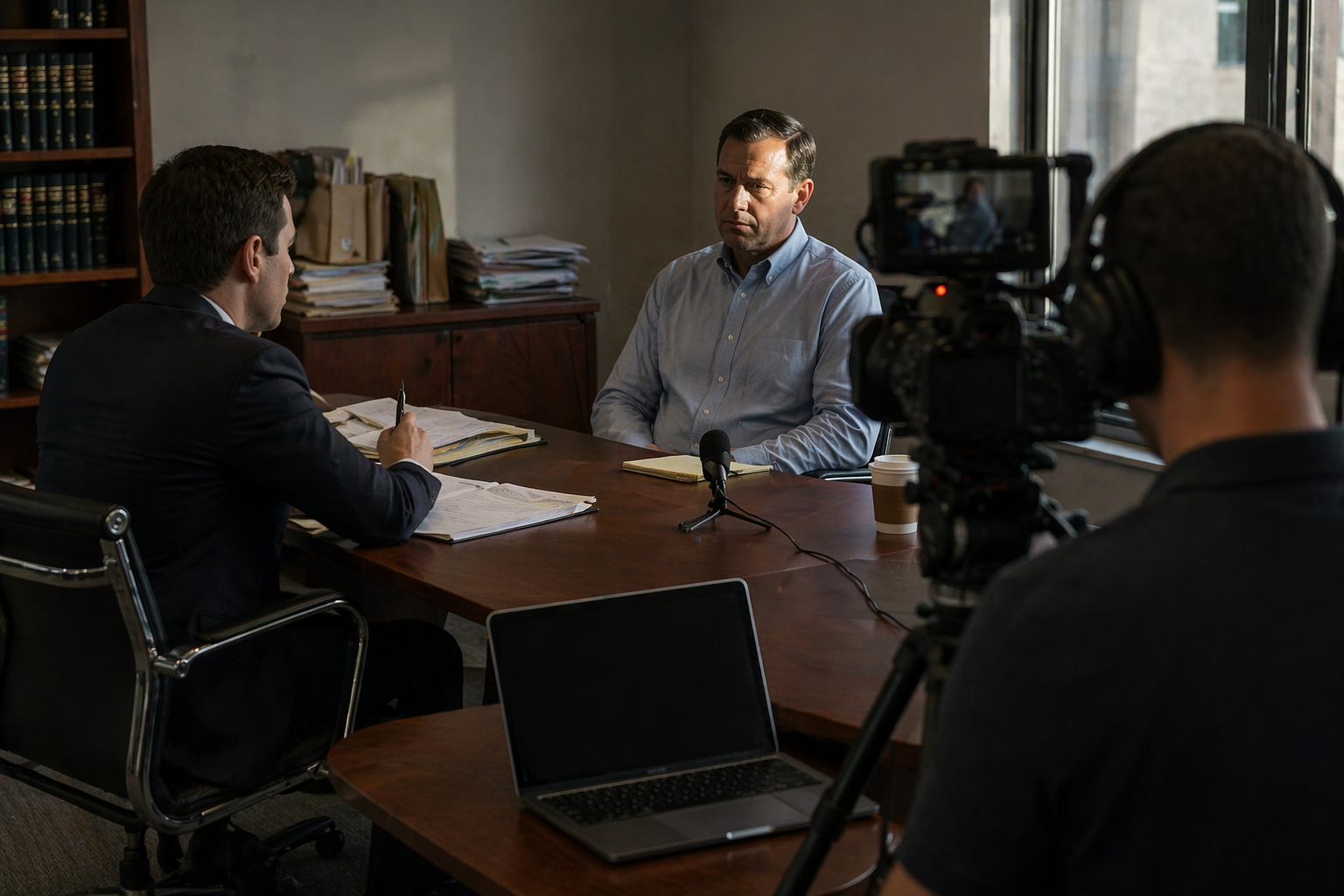
Legal Videography Mistakes That Ruin Deposition Credibility
A single missed detail in a deposition video can weaken an entire case strategy. Many attorneys assume video recording is simple, but legal videography requires precision and expertise. Professional standards separate admissible evidence from rejected documentation that courts refuse to accept.
Poor video quality, audio issues, or framing errors can affect witness credibility dramatically. Jurors evaluate testimony through visual presentation that shapes their perception of truthfulness. Additionally, courts rely on clear, professional recordings that meet evidentiary standards for admissibility.
Legal videography mistakes compromise case outcomes that attorneys work years to build successfully. This comprehensive guide covers the most common legal videography mistakes and proven methods to avoid them completely.
Let’s examine these critical mistakes that threaten your cases.
Poor Audio Quality That Makes Testimony Unclear
If audio is unclear, the deposition loses value regardless of visual quality or content. Background noise from HVAC systems, traffic, or hallway conversations ruins professional recordings completely. Low-quality microphones fail to capture soft voices or distant speakers during multi-party depositions.
Improper microphone placement creates audio dead zones where testimony becomes completely inaudible. Echo and reverb from empty rooms distort speech making transcription nearly impossible. Moreover, audio problems represent the most common legal videography mistakes that professionals encounter regularly.
Professional audio setup uses directional microphones that isolate speaker voices from background interference. Sound checks before recording verify adequate volume levels and clarity for all participants. Legal video recording standards demand broadcast-quality audio that supports accurate transcription and jury comprehension.
Bad Lighting That Hides Facial Expressions
Shadows distort credibility by obscuring facial expressions that reveal witness honesty or deception. Poor lighting hides key reactions including hesitation, confidence, or emotional responses to questioning. Overhead fluorescent lights create harsh shadows that make witnesses appear threatening or untrustworthy.
Judges and juries cannot read expressions when inadequate lighting obscures visual credibility indicators. Backlighting from windows creates silhouettes that hide faces completely during critical testimony. Furthermore, inconsistent lighting throughout depositions creates distracting visual changes that undermine professional presentation.
Proper lighting angles eliminate shadows while highlighting facial features that juries need to assess. Neutral background setup prevents distracting elements that draw attention away from witness testimony. Professional legal videography employs three-point lighting that creates natural, flattering illumination consistently.
Incorrect Camera Position and Framing
Cropped faces missing eyes or mouths destroy credibility assessment that juries require for evaluation. Poor camera angles shoot witnesses from below creating intimidating perspectives or above suggesting weakness. Additionally, distracting backgrounds including cluttered bookshelves or movement behind witnesses reduce testimony impact.
Incorrect framing represents serious legal videography mistakes that professional videographers never commit. Wide shots that show too much room make witnesses appear small and insignificant. Conversely, extreme close-ups feel confrontational and uncomfortable for jury viewing.
Eye-level framing creates natural perspective that matches how jurors would observe witnesses directly. Stable camera setups prevent distracting movement that draws attention from testimony content. Proper composition focuses attention on witness credibility through professional visual presentation standards.
Failing to Record Clear Speaker Identification
Confusion when multiple people speak simultaneously ruins transcript synchronization and jury comprehension. Attorneys, witnesses, and interpreters create overlapping audio that viewers cannot untangle without visual cues. Off-camera voices lack speaker identification that written transcripts require for proper attribution.
Importance of identifying speakers clearly cannot be overstated in multi-party depositions or hearings. Interruptions and overlap issues multiply when several attorneys question witnesses during contentious proceedings. Moreover, poor speaker identification creates deposition recording errors that compromise transcript accuracy completely.
Structured deposition flow establishes clear speaking order that reduces confusion and overlap significantly. Professional videography coordination ensures cameras capture all speakers when they talk during proceedings. Strategic camera placement and professional direction minimize speaker identification problems throughout complex depositions.
Ignoring Video-to-Text Synchronization Opportunities
Missed efficiency in trial preparation costs attorneys countless hours searching unsynchronized video manually. Separate video files and transcripts require double work when attorneys need specific testimony. Unsynchronized documentation slows case preparation dramatically during time-sensitive litigation periods.
Video-to-text synchronization enables faster navigation by clicking transcript text to jump instantly. Stronger presentation results from locating exact video moments that support legal arguments powerfully. Additionally, synchronized files improve team collaboration when multiple attorneys review testimony simultaneously.
Legal videography mistakes include failing to request synchronization services that dramatically improve efficiency. Professional providers link transcript lines to corresponding video timestamps for seamless navigation. This technology transforms hours of manual searching into instant access that accelerates trial preparation.
Using Basic Recording Instead of Professional Legal Videography
Basic recording setups often fail court standards that judges enforce strictly for admissibility. Smartphone or DIY recordings lack proper audio quality, lighting, and camera stability required. Consumer-grade equipment cannot match professional legal videography standards that courts demand consistently.
Lack of legal compliance creates evidentiary problems when courts reject amateur recordings completely. Attorneys lose critical testimony when inadequate recordings fail to meet authentication and quality requirements. Furthermore, unprofessional presentation damages credibility even when courts technically accept recordings.
Certified legal videographers understand court requirements that vary across different jurisdictions nationwide. Court-admissible recording standards include proper equipment, setup, and documentation that professionals provide. Professional legal videography delivers reliable documentation that withstands challenges from opposing counsel aggressively.
Overlooking Remote Deposition Challenges
Internet instability during remote depositions creates frozen video, dropped audio, and lost testimony. Poor camera quality from laptop webcams fails to capture facial expressions that establish credibility. Uncontrolled home environments include interruptions, background noise, and unprofessional settings that undermine testimony.
Remote deposition videography requires specialized expertise that prevents common technical failures completely. Witnesses positioned incorrectly on screen appear awkward or unprofessional to viewers. Additionally, legal videography mistakes multiply in virtual environments without proper technical preparation beforehand.
Pre-session testing verifies internet speed, camera angles, lighting, and audio quality before testimony. Professional remote setup includes backup internet connections and redundant recording systems always. Experienced videographers troubleshoot problems quickly preventing testimony loss during critical deposition moments.
Not Preparing the Witness for Video Recording
Nervous behavior including fidgeting, avoiding eye contact, or excessive movement damages witness credibility. Poor posture suggests discomfort or dishonesty that juries interpret negatively during video review. Lack of awareness about camera presence creates awkward moments that distract from testimony.
Unprepared witnesses look at wrong cameras, speak too softly, or position themselves poorly. Weak credibility results from preventable presentation problems that simple preparation eliminates completely. Moreover, witnesses unfamiliar with video recording appear more nervous than those properly prepared.
Basic preparation guidance about camera awareness and professional behavior improves witness presentation dramatically. Professional environment setup including proper seating, background, and camera position helps witnesses relax. Simple coaching transforms nervous witnesses into confident presenters who convey truthfulness effectively.
Skipping Equipment Testing Before the Deposition
Technical failures during depositions create panic and potential testimony loss that damages cases. Dead batteries, full memory cards, or equipment malfunctions disrupt proceedings when discovered mid-testimony. Lost footage risk increases dramatically without proper testing and backup systems operating.
Equipment failure represents preventable legal videography mistakes that destroy professional credibility instantly. Attorneys cannot reschedule critical depositions when witnesses travel long distances for testimony. Moreover, some witnesses become unavailable for re-deposition after equipment failures lose initial recordings.
Pre-deposition checks verify all equipment functions correctly before any testimony begins recording. Backup systems including secondary cameras and recorders prevent complete loss when primary equipment fails. Video deposition setup requires professional attention to detail that amateurs frequently overlook completely.
How to Avoid These Legal Videography Mistakes
Professional practices prevent common errors that compromise deposition video quality and admissibility:
- Hire certified professionals with legal videography training and court testimony experience
- Use high-quality equipment including professional cameras, microphones, and lighting systems
- Test audio and video thoroughly before depositions begin to identify problems early
- Plan remote setups carefully with backup internet, proper backgrounds, and technical support
- Use synchronized transcripts that link video to text for efficient trial preparation
Avoiding legal videography mistakes requires expertise that comes from specialized training and experience. Professional providers understand court requirements and best practices that protect case documentation.
Avoid Costly Mistakes with Professional Legal Videography
Do not risk your case with poor video quality that courts reject or juries discount. Amateur recording creates preventable problems that professional services eliminate completely through expertise. Professional legal videography protects your litigation investment through reliable, admissible documentation consistently.
Choose professional support that understands legal standards and jury expectations thoroughly. Schedule with CourtScribes for certified videography that strengthens cases rather than weakening them.
📞 Toll-Free: 833-SCRIBES
📧 scheduling@courtscribes.com
📧 billing@courtscribes.com